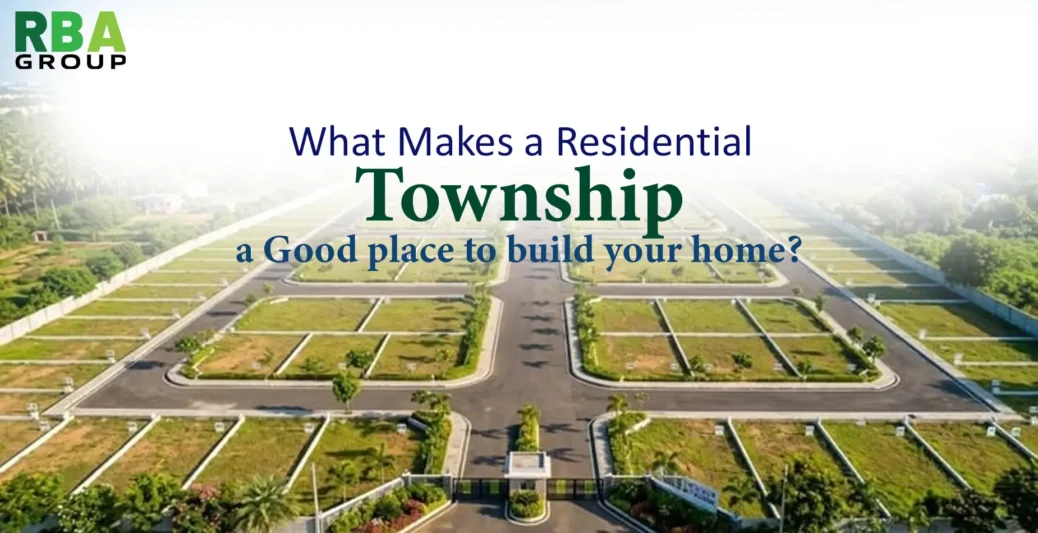
What Makes a Residential Township a Good Place to Build Your Home?
Discover what makes a residential township in Karnal ideal for building your home – from amenities to location advantages. Get expert insights before you invest
Key Takeaways
- Strategic location with good connectivity is crucial for township living
- Quality infrastructure and maintenance determine long-term livability
- Security and green spaces significantly impact quality of life
The concept of township living has gained tremendous popularity in India over the past decade. When considering a residential township in Karnal for your dream home, it’s not just about four walls and a roof. You’re buying into an entire ecosystem that will shape your daily life for years to come. These planned communities offer a carefully curated living experience that balances privacy with community, convenience with tranquility, and present comfort with future appreciation potential.
Key Takeaways
- Location matters more than you think – Proximity to workplaces, schools, and hospitals can save you hundreds of commuting hours over years of residence. A 30-minute daily commute reduction translates to 180 hours annually – equivalent to a month of full-time work.
- The developer’s track record is often more important than flashy brochures – research completed projects by visiting them unannounced on weekends to see real maintenance standards and speak with actual residents.
- Future expansion plans of the township and surrounding areas directly impact your property’s value. Planned commercial developments can bring convenience or unwanted congestion – verify zoning maps at municipal offices.
- Community composition affects everything from noise levels to resale potential. A healthy mix of young families, professionals, and retirees often indicates long-term community stability.
- Hidden costs like maintenance charges can vary significantly between townships – from ₹2 to ₹10 per sq ft monthly. These recurring expenses impact your total cost of ownership substantially over 10-15 years.
The Location Advantage
Karnal’s strategic position along National Highway 44 makes it particularly attractive for township development. Good connectivity isn’t just about today’s road network – it’s about planned infrastructure. The Karnal Extension area shows how proper planning creates value over time, with properties near the upcoming Rapid Rail Transit corridor already showing 18-22% appreciation over comparable non-corridor locations.
Three critical location factors:
- Accessibility: Within 30 minutes to major employment hubs like the Karnal Industrial Area and upcoming IT parks reduces daily stress and fuel costs. Test drive the route during rush hour before deciding.
- Future development plans: Check the city’s master plan at the Haryana Urban Development Authority office for upcoming schools, hospitals, and transportation nodes that will shape your area’s character.
- Surrounding neighborhood: What’s adjacent matters as much as what’s inside – verify there are no planned landfills, high-voltage lines, or industrial zones earmarked nearby that could affect livability.
Infrastructure That Actually Works
Too many townships promise world-class infrastructure that fails to materialize. When evaluating a residential township in Karnal, physically verify these systems during different times and seasons:
- Water supply reliability (including backup systems) – Ask residents about summer water shortages and check water pressure in sample homes during evening peak usage hours.
- Sewage treatment capacity – Inquire about overflow incidents during monsoon and treatment plant maintenance schedules. Modern townships should recycle at least 30% of wastewater.
- Electrical infrastructure (transformers, substations) – Note frequency of power fluctuations and duration of outages. Premium townships maintain under 2 hours of annual unscheduled outage.
- Road quality and drainage – Visit after heavy rain to check for waterlogging – poor drainage can damage foundations over time.
A case in point: One township near Sector 32 initially struggled with water supply until they invested in additional borewells and storage tanks. Residents who checked this during purchase avoided months of inconvenience by selecting plots near the newly installed overhead tanks with 48-hour reserve capacity.
Security That Feels Secure
Gated communities offer more than just gates. Effective security requires layered protection:
- 24/7 manned entry points with visitor logging – Premium communities now use biometric verification and AI-powered license plate recognition that maintains 12-month access records.
- Patrolling systems (human and electronic) – Look for a mix of foot patrols, CCTV with 30-day archival, and motion-sensor lighting covering all common areas and perimeter walls.
- Emergency response protocols – Verify response times with existing residents – good townships maintain first-aid trained staff and coordinate with local police for under-10-minute crisis response.
- Community awareness programs – Effective townships conduct quarterly safety workshops and maintain WhatsApp groups for real-time alerts.
The best townships integrate security into daily life without making it feel like a fortress. Subtle measures like proper lighting (minimum 10 lux in common areas) and clear sightlines (pruning shrubs below 1 meter) often work better than overt shows of force while maintaining neighborhood aesthetics.
Green Spaces That Breathe Life
Parks and gardens aren’t just decorations. They serve multiple functions:
- Reduce urban heat island effect – Mature tree cover can lower local temperatures by 2-4°C compared to concrete-heavy areas.
- Improve air quality – A single mature tree absorbs 20kg of CO2 annually while filtering particulate matter.
- Provide spaces for community interaction – Well-designed parks with seating clusters and walking paths foster 3-5 times more neighbor interactions than purely aesthetic landscapes.
- Increase property values by 15-20% – Homes facing green spaces command premium pricing and faster resale according to NAREDCO studies.
Look beyond the percentage of green cover – quality matters. A well-designed 5-acre park with native species, walking tracks, and play zones serves better than 10 acres of poorly maintained lawns. Check for irrigation systems and dedicated horticulture staff in the township’s maintenance plan.
The Developer Difference
Not all township developers are equal. These key differentiators separate exceptional from average:
- Completion rate: Percentage of promised amenities actually delivered within 24 months of promised date – top performers achieve 90%+.
- Maintenance quality in older projects – Visit projects completed 5+ years prior to assess long-term upkeep standards. Look for cracking paint, unkempt common areas, or deteriorating roads.
- Financial health: Review annual reports for debt-to-equity ratios below 2:1 and consistent profitability – this ensures project completion even during market downturns.
- Customer service responsiveness – Test their complaint resolution system before buying. Good developers resolve 90% of maintenance requests within 72 hours.
When reviewing how to choose the right residential plot in Karnal, prioritize developers with multiple successfully completed projects exhibiting consistent quality across price segments. The Tata Housing and Godrej Properties of the region often set these benchmarks.
Community Living Done Right
The social fabric of a township impacts daily life more than brochures admit. These factors determine whether you’ll have neighbors or a community:
- Demographic mix – Townships with 40-50% families with children, 30-40% working professionals, and 10-20% retirees tend to show the most balanced social dynamics.
- Community engagement programs – Look for active clubs (reading, gardening, sports), seasonal events (4+ annually), and volunteer opportunities that foster connections.
- Shared facilities utilization – Well-used clubhouses and parks indicate social health. Aim for 60-70% peak utilization rates – higher suggests crowding, lower indicates disengagement.
- Noise levels – Visit during different times: weekends may have joyful children’s noise while weeknights should maintain reasonable quiet hours (typically 10pm-6am).
Some townships actively cultivate community through intentional design – central gathering spaces, community gardens, and shared workspaces increase casual interactions by 40% according to urban design studies. Others become collections of isolated homes where residents barely know each other despite proximity.
FAQ
Q: What is the best location to build a house? A: The best location balances current connectivity with future growth potential. In Karnal, prioritize sectors within 5km of the NH-44 corridor with planned metro connectivity in the next phase. Verify groundwater tables (minimum 100 feet) and plot elevation (at least 1 meter above road level for flood protection). Areas like Urban Estate and Sector 12 currently offer this balance with established social infrastructure.
Q: What is the 3-3-3 rule for buying a house? A: This conservative financial guideline suggests: 1. Home price ≤ 3x gross annual income 2. Down payment ≥ 30% of home value 3. Monthly costs (EMI+maintenance+taxes) ≤ 30% of monthly income In the Indian context, modify slightly: 20% down payment (given higher interest rates), and include all housing costs (even maintenance) in the 30% ceiling. This prevents becoming “house poor” – owning a beautiful home but struggling with other expenses.
Q: Is $200,000 enough to build a house? A: In Karnal’s townships, this budget breaks down typically as: – ₹80 lakhs for 2400 sq ft plot in premium township – ₹50 lakhs for 2000 sq ft construction (₹2500/sq ft high-quality finish) – ₹10 lakhs for landscaping and exterior – ₹20 lakhs buffer for cost escalations This creates a spacious 4BHK villa with premium finishes. For more budget-conscious options, consider smaller plots (1200-1500 sq ft) in emerging sectors where ₹1.2 crore can secure a comfortable 3BHK.
Q: What are three things that make a good neighborhood? A: Beyond basics, consider: 1. Walkability score – Can you access daily needs within 500m? Grocery stores, pharmacies, and parks within walking distance improve quality of life. 2. Age diversity – Neighborhoods with mixed age groups show more stability and better resale value. 3. Visual upkeep – Well-maintained facades and common areas indicate pride of ownership that sustains value. Look for consistent exterior paint, trimmed hedges, and clean streets.
Making Your Decision
Choosing the right residential township in Karnal involves balancing multiple factors through a structured evaluation:
- Create a weighted scoring system (out of 100) covering:
- Location (30 points)
- Developer reputation (25 points)
- Amenities (20 points)
- Community (15 points)
- Value appreciation potential (10 points)
- Visit shortlisted townships at different times – weekday mornings show commute realities, evenings reveal community activity, weekends display leisure usage patterns.
- Interview at least 5 current residents from different phases about their lived experience – ask about maintenance responsiveness, noise issues, and whether they’d recommend the community.
The perfect township doesn’t exist – but the right one for your family does. For investment-focused buyers, our analysis of Karnal’s emerging real estate potential highlights sectors with the strongest growth indicators. Remember, the right township becomes more than an address – it becomes the stage where your family’s daily life unfolds and memories accumulate over years.