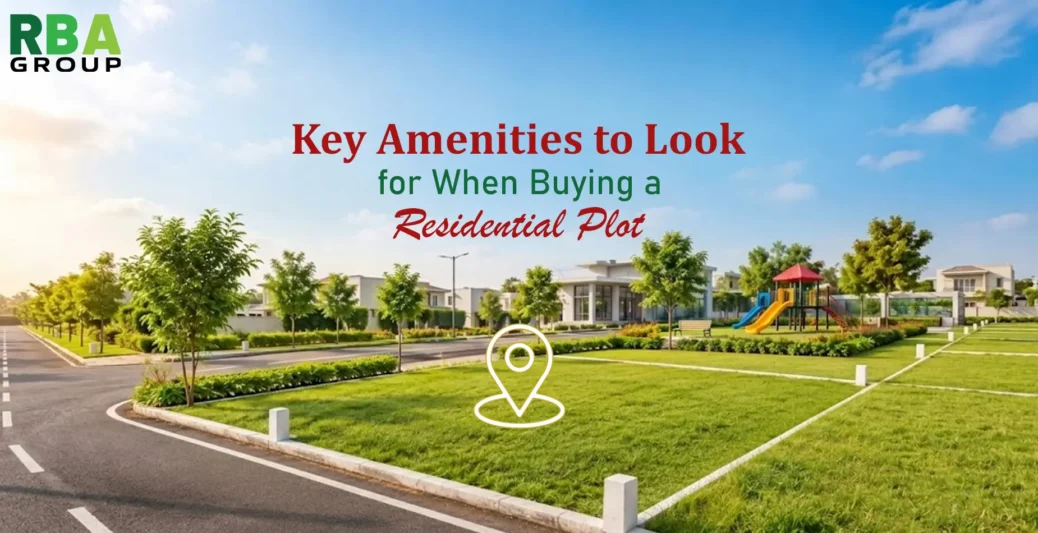
Key Amenities to Look for When Buying a Residential Plot in India
Discover why Karnal Extension is becoming a top choice for homebuyers with its prime location, infrastructure growth, and smart Discover 7 must-have amenities when purchasing residential plots in India – from water supply to security features. Make an informed investment decision.
Key Takeaways
- Water availability and drainage systems are non-negotiable for any plot
- Proximity to schools and hospitals significantly impacts livability
- Gated communities with CCTV offer better security than open layouts
Buying land isn’t just about square footage and location anymore. Smart Indian homebuyers now scrutinize development amenities with the same intensity as flat purchasers. Here’s what actually matters when evaluating plotted projects.
Why Amenities Matter in Plot Purchases
Three years ago, a client in Gurugram learned this the hard way. They bought a 500 sq yd plot at what seemed like a bargain price, only to discover the entire sector lacked proper drainage. Monsoon flooding became an annual nightmare that eroded 30% of their property’s value within two years.
Modern plotted developments differentiate themselves through planned infrastructure. Unlike chaotic urban extensions of the past, today’s premium projects offer:
- Structured utility networks that follow municipal master plans rather than ad-hoc connections
- Community spaces designed by landscape architects to foster interaction
- Future-ready connectivity with provisions for 5G infrastructure and EV charging
A recent CREDAI survey revealed plots with comprehensive amenities appreciate 18-22% faster than basic plots during market upswings and retain 12-15% more value during downturns.
Must-Have Basic Utilities
Water tops the list. Check not just for municipal supply lines, but also: – Groundwater recharge systems with percolation pits every 500 meters – STP-treated recycling plants that can service at least 80% of the project’s needs – Rainwater harvesting mandates with actual implementation evidence
Electricity infrastructure should include: – Underground cabling (not overhead wires) with separate conduits for fiber optics – Substation proximity within 2km for stable voltage – Solar panel compatibility including net metering approvals
Drainage often gets overlooked until it’s too late. Insist on seeing: – Gradient plans certified by civil engineers showing 1-2% slope – Stormwater channels with minimum 600mm diameter pipes – Wastewater segregation between greywater and blackwater systems
Our residential plot buying checklist covers 23 utility verification points most buyers miss, including how to check pipeline material quality and valve chamber placements.
Social Infrastructure Essentials
While plotting your dream home, consider daily life necessities:
Education: – Recognized schools within 3km (CBSE/ICSE affiliated preferred) – Preschool availability with proper accreditation – Coaching center clusters for competitive exam preparation
Healthcare: – 24/7 pharmacy access (preferably chain outlets like Apollo/Medplus) – Multispecialty hospital under 15 minutes with emergency services – Diagnostic labs offering comprehensive test packages
Commercial: – Grocery stores stocking daily essentials within walking distance – Vegetable markets following FSSAI hygiene standards – Banking/ATMs from at least two different banks
Projects near established neighborhoods typically score higher here than isolated “upcoming” areas. As we advised a client in Noida Extension last month – paying 10% more for better social infrastructure pays off through: – Higher resale demand from families prioritizing convenience – Lower transportation costs saving ₹5,000-8,000 monthly – Immediate livability reducing temporary rental expenses
Security & Community Features
Gated communities aren’t just about prestige. They directly impact safety through: – Perimeter fencing with anti-climb features and regular patrols – Guard posts at 200m intervals with panic buttons – Visitor logging systems integrating Aadhaar verification
Look for these additional security layers: – Street lighting design ensuring no dark spots with LED lights every 30m – Neighborhood watch programs with registered residents – Emergency response plans including fire hydrant locations
Community amenities that enhance living: – Jogging tracks with rubberized surfaces for joint protection – Children’s play areas with certified safety equipment – Senior citizen corners featuring shaded seating and exercise equipment
This case study on Karnal plots shows how good amenities maintain value during market downturns, with one project actually appreciating 7% during 2020’s recession.
Transportation Connectivity
Evaluate these often-overlooked factors:
Public Transit: – Last-mile connectivity via e-rickshaw stands or shuttle services – Metro/Bus stop walkability under 800m with shaded pathways – Auto/taxi availability with dedicated pickup zones
Road Networks: – Multiple access points preventing traffic bottlenecks – Road widths adhering to municipal bylaws (minimum 9m for collector roads) – Future expansion plans accounting for population growth
Parking Provisions: – Visitor parking allocation of at least 1 space per 3 plots – Commercial vehicle policy preventing roadside parking chaos – EV charging readiness with minimum 5% parking slots having chargers
The Developer Factor
Reputed builders invest in amenities that others cut as “cost centers”. When comparing projects, ask developers: 1. Maintenance cost structure (typically ₹2-5/sq ft/month for premium projects) 2. Amenity completion timelines (should match RERA commitments) 3. Penalty clauses for delays (0.5-1% of plot value per month is standard)
How to verify developer credentials before signing any agreements, including checking their project completion ratio and litigation history.
Key Takeaways
- Water and drainage systems make or break plotted developments – inspect pump houses and manholes personally
- Social infrastructure matters more than ornamental landscaping – prioritize hospitals over water fountains
- Security features directly impact long-term appreciation – gated communities command 8-12% premium
- Connectivity determines daily convenience – test commute during peak hours
- Developer reputation affects amenity delivery – visit their completed projects unannounced
FAQ
Q: What is the 3-3-3 rule in real estate? A: It’s a financial planning guideline – spend no more than 3x your annual income on a home, put down at least 30% as down payment, and keep monthly payments under 30% of your income. For plots, adjust for construction costs by keeping total outlay under 4x income.
Q: What to check before buying a plot of land? A: Verify land titles (30-year chain), zoning permissions (conversion certificates), soil quality (bearing capacity >10t/m²), access roads (minimum 6m width), and utility connections (metering points). Always physically visit during different times of day. Our legality verification guide details the process.
Q: What are the top 5 things to consider when buying a house? A: Location accessibility (walk score >70), construction quality (IS 456 compliance), neighborhood safety (crime statistics), resale potential (5-year appreciation trends), and total cost of ownership (including property taxes). For plots, add utility infrastructure and development timeline.
Q: What are some common mistakes to avoid when buying land? A: Not checking flood maps (FEMA zones), overlooking easements (utility right-of-ways), ignoring local development plans (master plans 2041), skipping soil tests (percolation rates), and underestimating total development costs (typically 1.5x plot value). Emotional buying leads to poor decisions – always get a technical due diligence report.